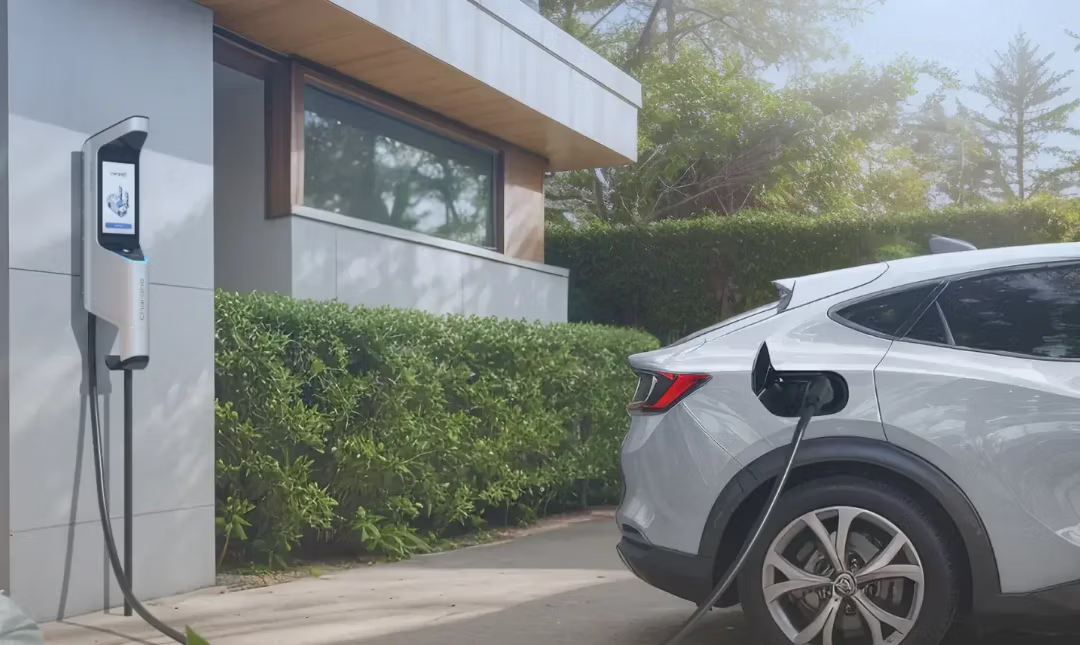

Discover the EV infrastructure revolution accelerating green mobility.
As electric vehicles (EVs) surge in popularity, the demand for accessible, high-speed charging infrastructure becomes critical. Our dedicated initiative aims to bridge this gap by deploying next-generation EV chargers across urban and rural landscapes.
The EV revolution is not just about cars—it's a complete overhaul of how energy is consumed, delivered, and integrated into daily life. At the center of this shift is charging infrastructure: the fueling stations of the future.
The Infrastructure Challenge
Globally, EV adoption is outpacing infrastructure development. A McKinsey report noted that to meet 2030 emission goals, over 55 million chargers would be needed worldwide. This includes public, residential, and fleet solutions.
We address this through strategic deployment of smart charging stations—designed for scalability, fast-charging capabilities, and seamless integration with smart grids.
Our chargers support AC and DC formats, with DC chargers providing up to 350kW for ultra-fast top-ups. Each unit is IoT-enabled for real-time diagnostics, usage analytics, and remote management.
Integration with Smart Grids
One of the most transformative aspects of EV infrastructure is its integration with smart grids. Our stations feature bidirectional charging, allowing vehicles to not only draw power but also return excess energy to the grid (vehicle-to-grid or V2G).
This functionality stabilizes energy supply, reduces demand spikes, and supports renewable integration. It turns EVs into mobile energy storage units, contributing to energy resilience.
Urban Mobility and Partnerships
Urban congestion and pollution are pressing concerns. We collaborate with city planners and transportation agencies to place charging stations in high-traffic zones, business parks, and residential hubs. We also form public-private partnerships to co-develop charging corridors, electrify public transportation fleets, and provide incentive-based charging plans to drive adoption.
Environmental and Economic Impact
Switching to electric reduces emissions, but the impact is amplified by green sourcing. Our stations are powered by solar, wind, and hydro-electric grids wherever feasible.
Economically, each station contributes to job creation, local entrepreneurship, and long-term savings for fleet operators and consumers. Predictive analytics tools allow dynamic pricing and predictive maintenance, improving operational efficiency.
User-Centric Design
Our stations are designed with users in mind. Mobile apps provide real-time availability, route mapping, payment integration, and usage history. RFID access and contactless payment systems streamline the experience. Accessibility features, multilingual interfaces, and nighttime lighting ensure inclusivity. As the ecosystem grows, our focus remains on making EV charging as convenient and frictionless as fueling a traditional vehicle.
The Road Ahead
With global EV penetration expected to reach 50% by 2035, the race to build resilient, intelligent infrastructure is more urgent than ever. We are poised to lead this change—enabling not just EVs, but a cleaner, smarter energy economy.
The road ahead is electric—and we're building every mile of it.
Published by IRTM Group